

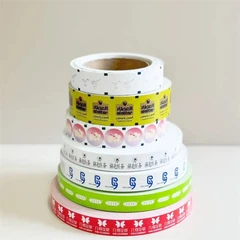
The hanging ear drip coffee bag has moved from novelty to staple: it delivers a fresh, balanced cup without equipment, making it the format of choice for hotels, offices, travel retail, and e-commerce. But for B2B buyers-roasters, private-label brands, and distributors-not all drip coffee filter suppliers are equal. Here is a practical checklist built around three decision factors.
First, filter material.
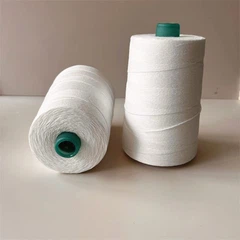
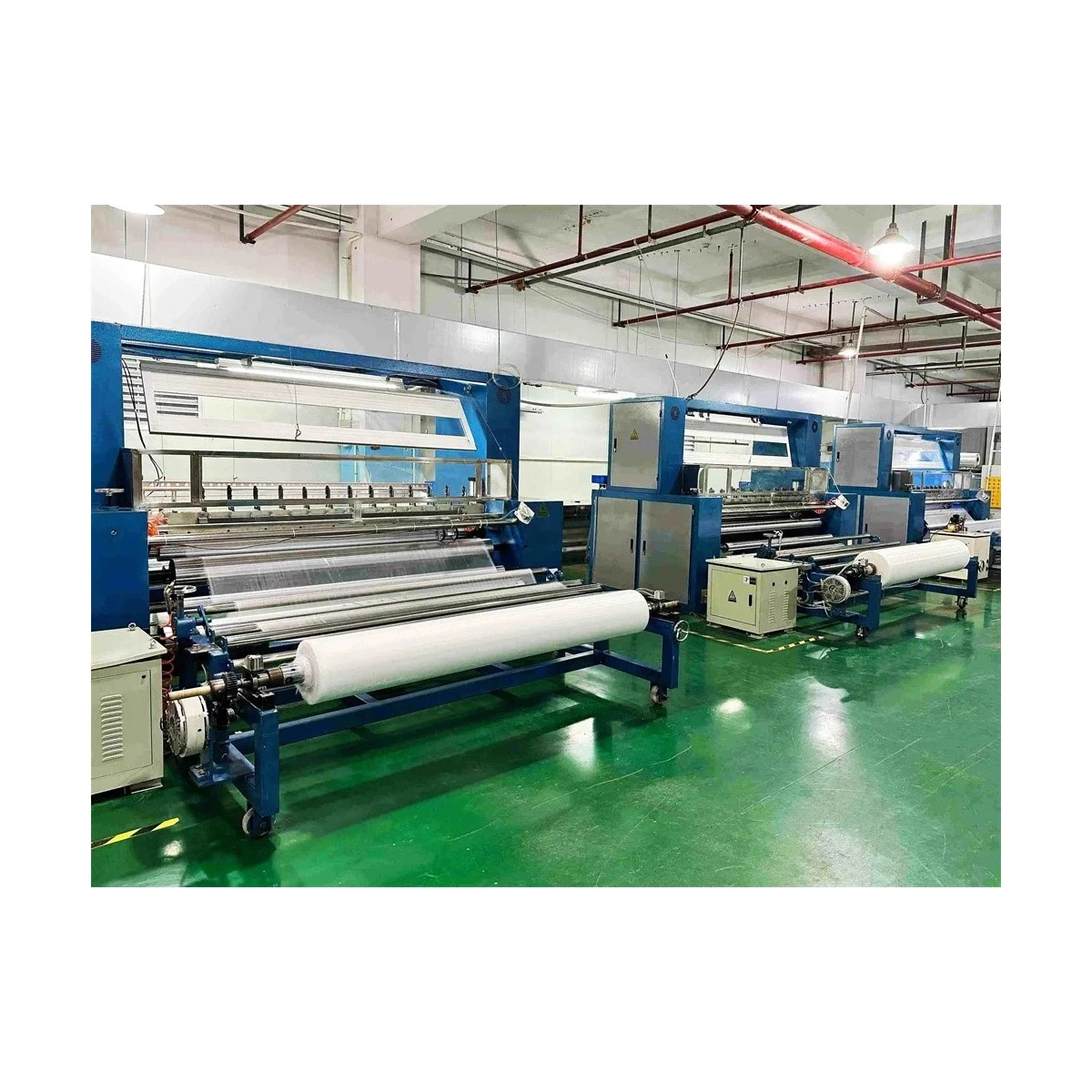
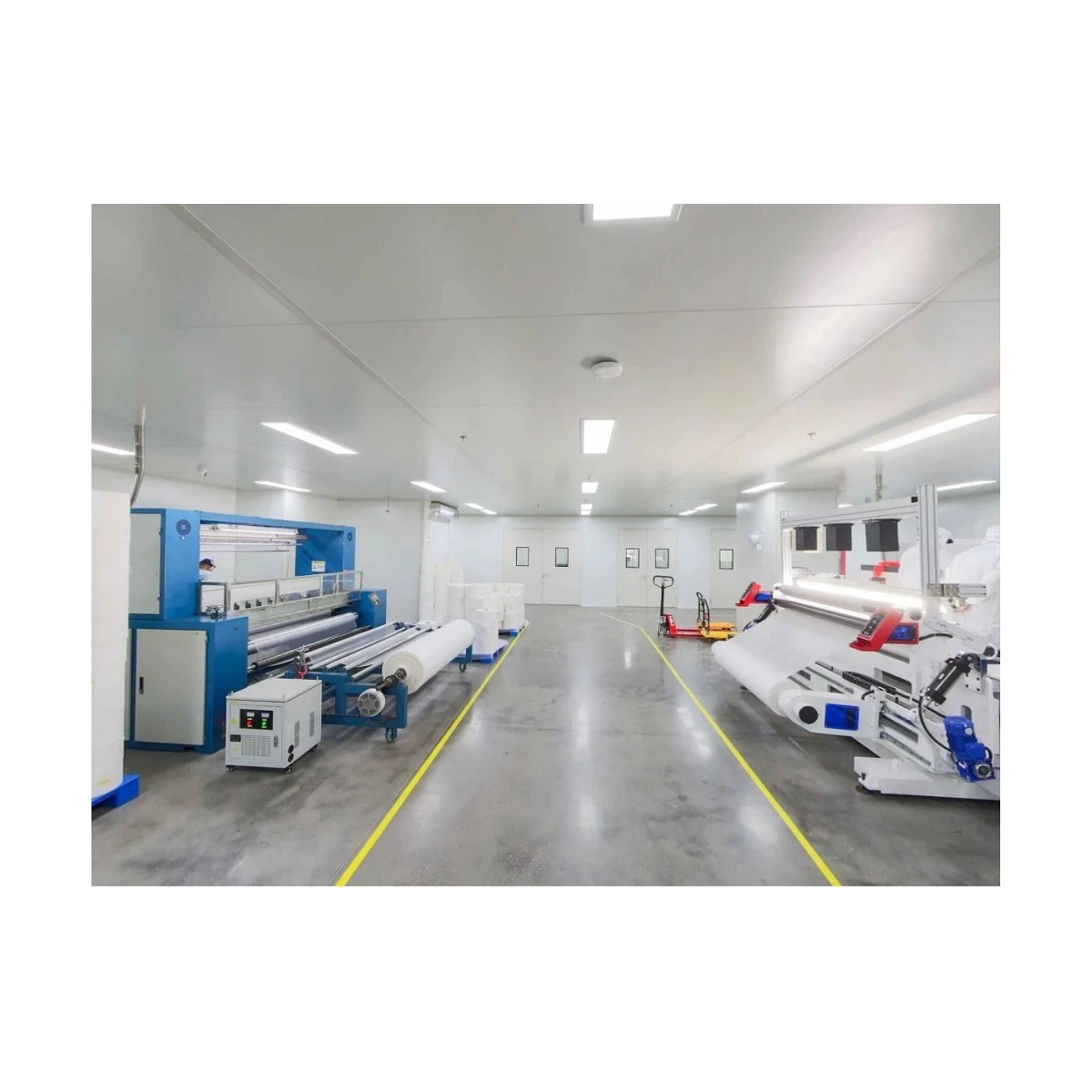
Food-grade nonwoven fabric is the mainstream choice; typical blends are PP 40% + PE 60%, offered in Japanese and domestic grades with filter weights around 22–30 g/m². For sustainability-led brands, biodegradable corn fiber nonwoven works for both hot brew and cold brew, and PLA fiber offers a compostable path; nylon mesh serves premium transparent formats. Verify that the supplier can document food-contact compliance for the chosen material.
Second, sealing and structural quality.
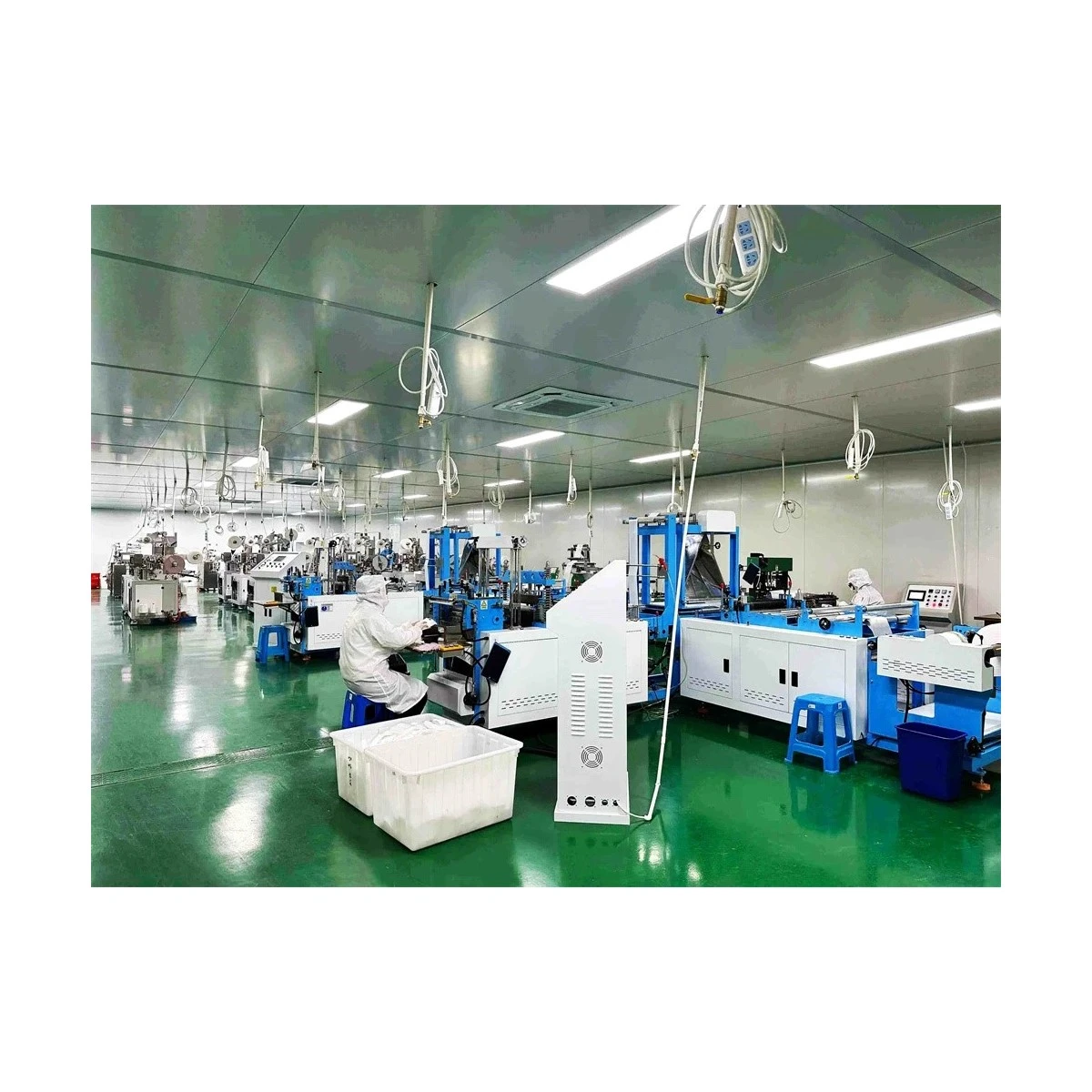
The hanging ears carry the whole brewing load, so edge sealing quality decides the user experience. High-frequency ultrasonic sealing produces a tight, tear-resistant edge that will not burst when wet-noticeably more reliable than crude heat seals. The 10–12 g single-serve portion should flow water evenly; overfilled or poorly distributed bags hinder extraction.
For UFO-style bags, check base stability and ear fit across common cup rim diameters (60–110 mm).
Third, machine compatibility and supply flexibility.
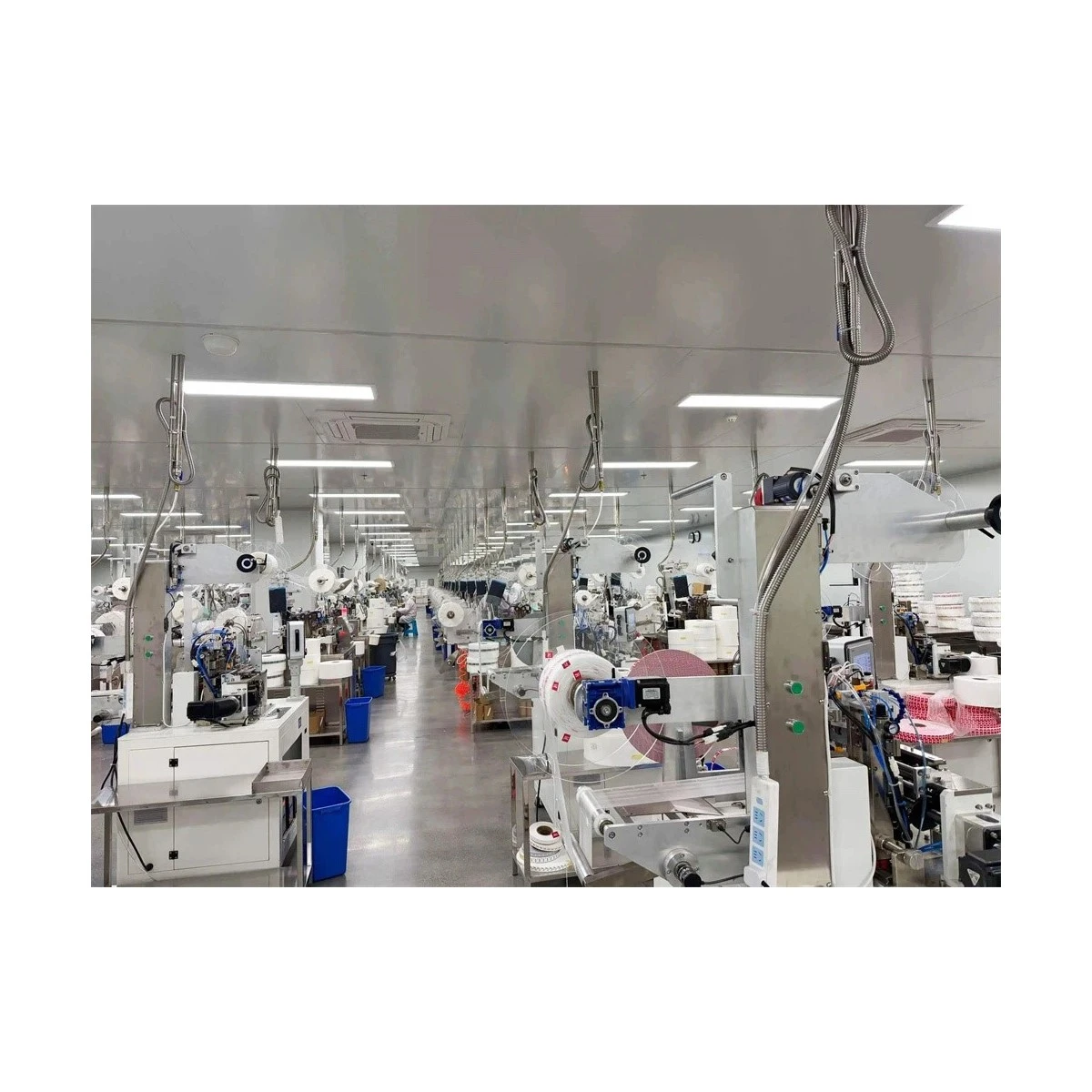
Buyers running automated lines need roll-format filters whose width (e.g., 180 mm), core size (76 mm), and bag dimensions (90 × 74 mm) match their filling and sealing equipment-confirm this before ordering. For market testing, a supplier offering a one-roll MOQ (~4,500 pieces) dramatically lowers launch risk.
Also weigh customization capability: water-based flexographic printing is food-contact safe with good paper adhesion; heat-set inks prevent fading during brewing; digital printing enables high-resolution, full-color branding on large batches.
Finally, test before you commit.
Reputable manufacturers provide free standard samples within days-brew them with your own coffee, check filter speed, seal integrity, and cup fit, and only then scale up. Choosing the right supplier turns the humble drip bag into a reliable brand ambassador.