
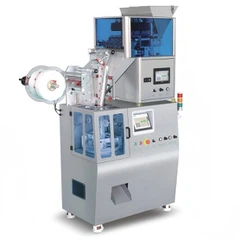

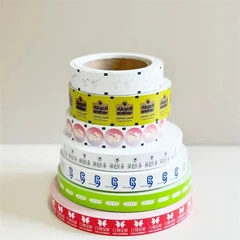
In the packaging industry, roll materials (such as nylon mesh, PLA corn mesh, non-woven fabric, etc.) often need labels applied during continuous motion for product identification, branding, or batch information. The entire process relies on automated equipment for precise, high-speed labeling.
Basic Working Process
A roll material labeling system typically includes the following steps:
1. Unwinding & Guiding
The roll material feeds from the unwinding shaft and passes through a guide device to ensure smooth running without deviation.
2. Pulling & Positioning
Pulling rollers move the material forward at a constant speed. Photoelectric sensors detect registration marks or edges to determine the labeling position.
3. Label Head Action
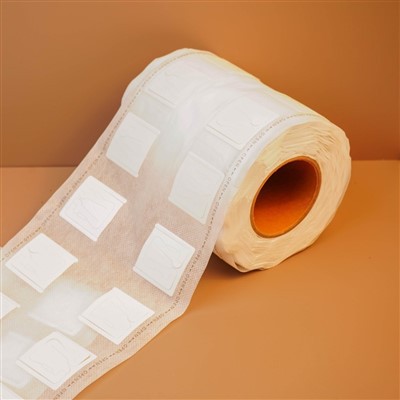
As the material reaches the labeling station, the labeling head (typically using blow-on, wipe-on, or press-on methods) accurately applies the label to the material surface. Labels usually come from another backing paper roll, separate at the peel plate, and combine with the material.
4. Synchronization Control
Servo motors keep the labeling head and material speed synchronized in real time, ensuring precise label placement even at high speeds, typically within ±0.5mm accuracy.
5. Rewinding
After labeling, the material passes through pulling rollers and is rewound by the rewinding shaft into a roll for subsequent packaging or use.

Key Technologies & Benefits
- Sensor Detection: Precisely captures material position to trigger labeling.
- Servo Drive: Enables high-speed synchronization, preventing stretching or wrinkling.
- Modular Design: Adapts to different widths and material types.
This automated labeling method is widely used for online identification of roll products such as food packaging film, self-adhesive materials, and medical dressings, significantly improving production efficiency.