


The main differences between tea bags and tea leaves lie in their usage, convenience, hygiene, and taste. Here's a detailed comparison:
Usage:
Tea Leaves: Requires teaware (such as a teapot, teacup, tea strainer, etc.) for brewing. It usually requires controlling water temperature, brewing time, and the amount of tea leaves. Suitable for those who enjoy traditional tea ceremonies or value the ritual of brewing.
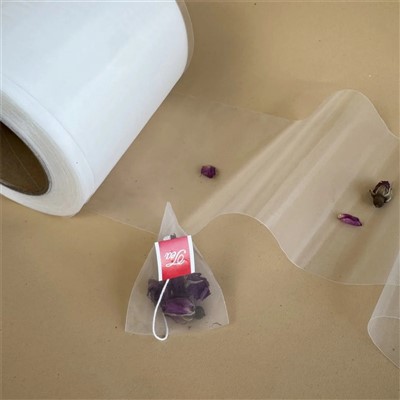
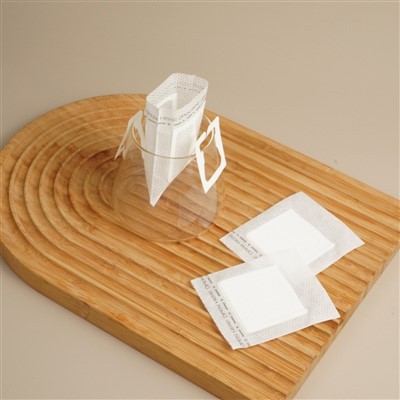
Tea Bags: Simply place them in a cup to brew. No additional tools are needed. Simple to use, suitable for a fast-paced lifestyle.
Convenience:
Tea Leaves: The brewing process is slightly more complicated, requiring cleaning of tea leaves and teaware.
Tea Bags: Instant brewing and drinking. No need to clean tea leaves. Especially suitable for office settings, travel, etc.
Hygiene:
Tea Leaves: If not stored properly, they are easily affected by moisture or dust.
Tea Bags: Individually packaged, with good sealing, offering superior hygiene and preventing cross-contamination.
Taste:
Tea Leaves: Whole tea leaves result in a richer, more complex flavor profile when brewed, making it ideal for tea connoisseurs.
Tea Bags: Tea bags typically contain broken or dusted tea leaves, releasing their flavor quickly but potentially lacking the delicate nuances of whole tea leaves.
Types and Selection:
Tea Leaves: A wide variety of types are available, from green and black tea to oolong tea, offering a broad selection.
Tea Bags: In addition to traditional teas, tea bags also include innovative varieties such as herbal teas and health teas, catering to consumers seeking a diverse range of options.
Price:
Tea Leaves: High-quality tea leaves are more expensive but can be brewed multiple times.
Tea Bags: Lower unit price, but mostly for single use, potentially leading to higher long-term costs.